

ANS Control Paper
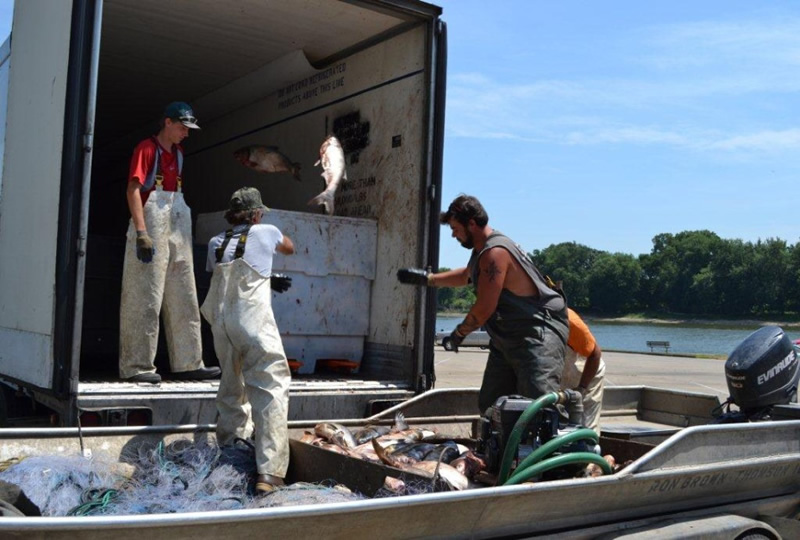
The GLMRIS Team has completed the Aquatic Nuisance Species (ANS) Control Paper: Inventory of Available Controls for Aquatic Nuisance Species of Concern – Chicago Area Waterway System.
- Inventory of Available Controls for Aquatic Nuisance Species of Concern – Chicago Area Waterway System (2.0 MB)
- Summary of Public Input on ANS Control Paper (34 KB)
The purpose of the ANS Control Paper is to identify the range of options or technologies available to prevent the transfer of ANS of Concern-CAWS. Each selected Control was identified as one that is potentially effective at preventing the transfer of the ANS of Concern-CAWS via aquatic pathways. These organisms were previously identified as non-native species to be the initial focus of GLMRIS. The ANS Control Paper does not contain specific recommendations, rank the effectiveness of the Controls, or identify constraints, impacts, regulatory requirements or technological feasibility of control application.
Controls include those that modify flow within a waterway, such as hydrologic separation of the basins, those that modify the water quality of a waterway, collection and removal of ANS from a waterway, chemical application to ANS, as well as other types of Controls currently in research and development.
ANS Control Screening
Through the study process, the GLMRIS Team has screened controls inventoried in the ANS Control Paper. The team determined certain ANS Controls do not warrant additional consideration and have eliminated them from further study. USACE requested comments from public stakeholders regarding the ANS Controls Screening from January 18 through February 21, 2013. More information on the screening can be found on the ANS Control Screening page.
ANS Control Fact Sheets
Click on the links below to view Appendix C: PDF fact sheets on the 27 ANS Controls.
|
|
|
|
ANS Control Comment Period
USACE solicited comments on the ANS Control Paper during a period that ran from December 21, 2011 through February 17, 2012. The purpose of the comment period was to allow GLMRIS Stakeholders to provide additional information on ANS Controls that may be effective at preventing the transfer of ANS of Concern - CAWS or provide comments or clarifications regarding ANS Controls identified in the paper. The ANS Control Paper has been updated based on comments received during this period. View the comments on the paper.
Using the information contained in the paper, USACE will develop screening criteria consistent with study objectives and refine the list of Controls to determine which warrant further consideration. USACE will formulate plans comprised of one or more of the screened Controls in consideration of four criteria: completeness, effectiveness, efficiency and acceptability. USACE will then evaluate and compare the effects of the alternative plans.

